
Naipa

Assisted journaling

Three cards a day.
Sixty seconds each.

Naipa shows you a card with an ambiguous word or drawing. You write down the first thing that comes to mind — not the polished thought, the first one. That's the whole game.

Get it on Google Play

Coming soon to Google Play and the App Store.

Read the blog

How it works

A small ritual, not a homework assignment

  1. A card appears

    An ambiguous word or an abstract drawing. There is nothing to solve — it's just something to bounce off.

  2. Sixty visible seconds

    The timer is the point. It leaves no room for the answer you'd rather give, only the one that's already there.

  3. Three cards and you're done

    Nothing is scored and nothing is corrected. The week counts the days you wrote and then starts over on its own, so there is no streak to lose. You close the app and get on with your day.

  4. Once a week, a look back

    Once a week is finished, Naipa groups what you wrote into recurring themes and writes a short note built out of your own words. Your first two readings are free and stay free; from the third on, the reading is what the subscription pays for.

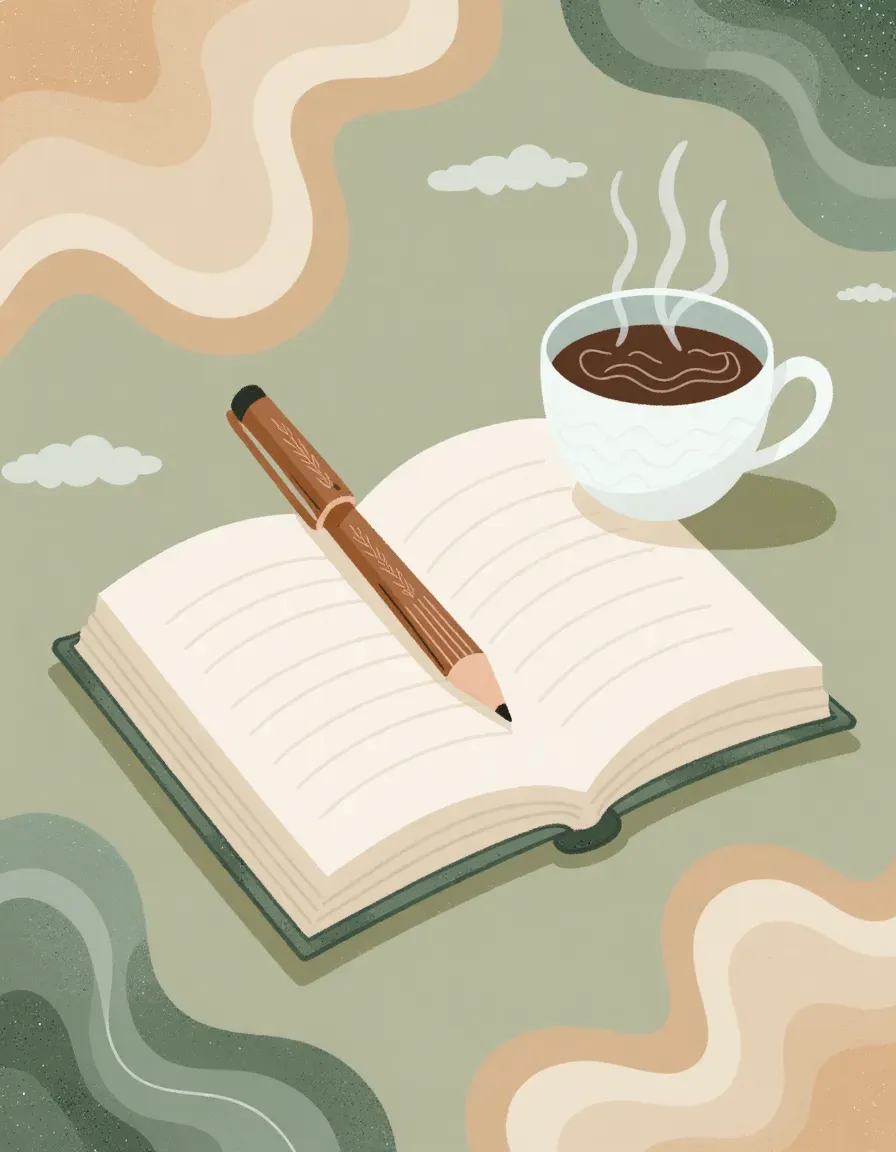
An open notebook with a pencil resting on it, beside a steaming cup of coffee

Why journal

The hardest part of journaling is the blank page

Most journals fail the same way: you open them, face an empty page, and realise you have no idea what you were going to say. So you write nothing, and tomorrow you don't open it at all.

Naipa removes the page. You never have to decide what to write about — the card decides, and you only have to answer it. Sixty seconds is short enough that it never becomes something you have to make time for.

What you get isn't a diary you'll reread. It's a trail of small, honest notes you left without thinking too hard about them, which turns out to be the interesting kind.

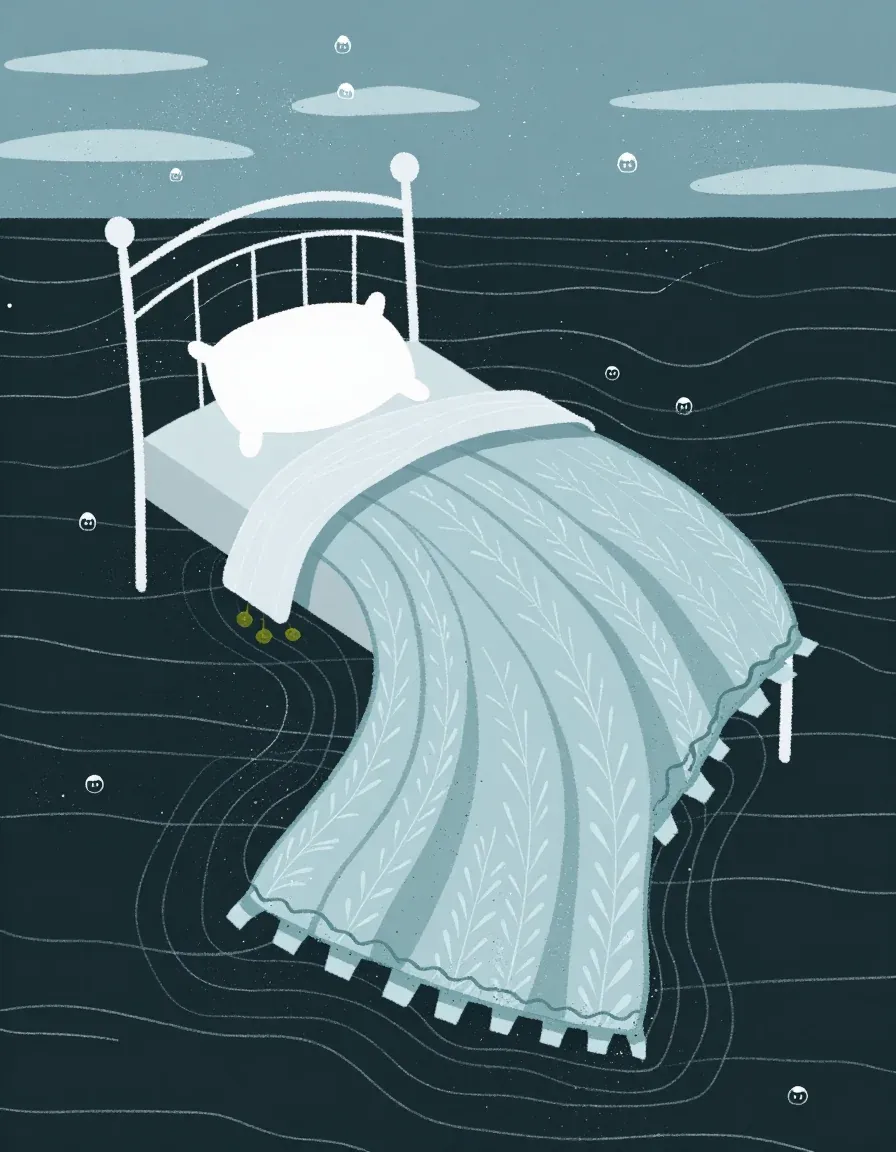
A little cloud with legs, daydreaming a house inside a bigger cloud above it

Your associations

What you see first says something

Show the same ambiguous shape to ten people and you'll get ten different answers. One sees a door, another a key, another a cloud. The shape didn't change — what each person brought to it did.

That's the whole idea behind free association: when there is no right answer, whatever you reach for first comes from you, not from the card. Do it for a few weeks and the repeats start to show.

Naipa doesn't tell you what your answers mean. It counts which of seven themes keep coming back — fear, desire, loss, control, identity, hope, belonging — and shows you the tally. What you make of it is yours.

Two cupped hands holding a layered heart under a sky of small stars

Mental health

Paying attention is a small, ordinary thing

Looking after your head has stopped being something you do only when things go wrong. It's closer to brushing your teeth: small, regular, unremarkable, and much easier than dealing with what happens when you skip it for years.

But most of what's on offer asks for a lot — an hour, a questionnaire, a decision that something is wrong. Naipa asks for a minute, and doesn't ask you to decide anything.

It won't replace a therapist, and it isn't trying to. It's the notebook you keep between appointments, or the one you keep because you don't have any.

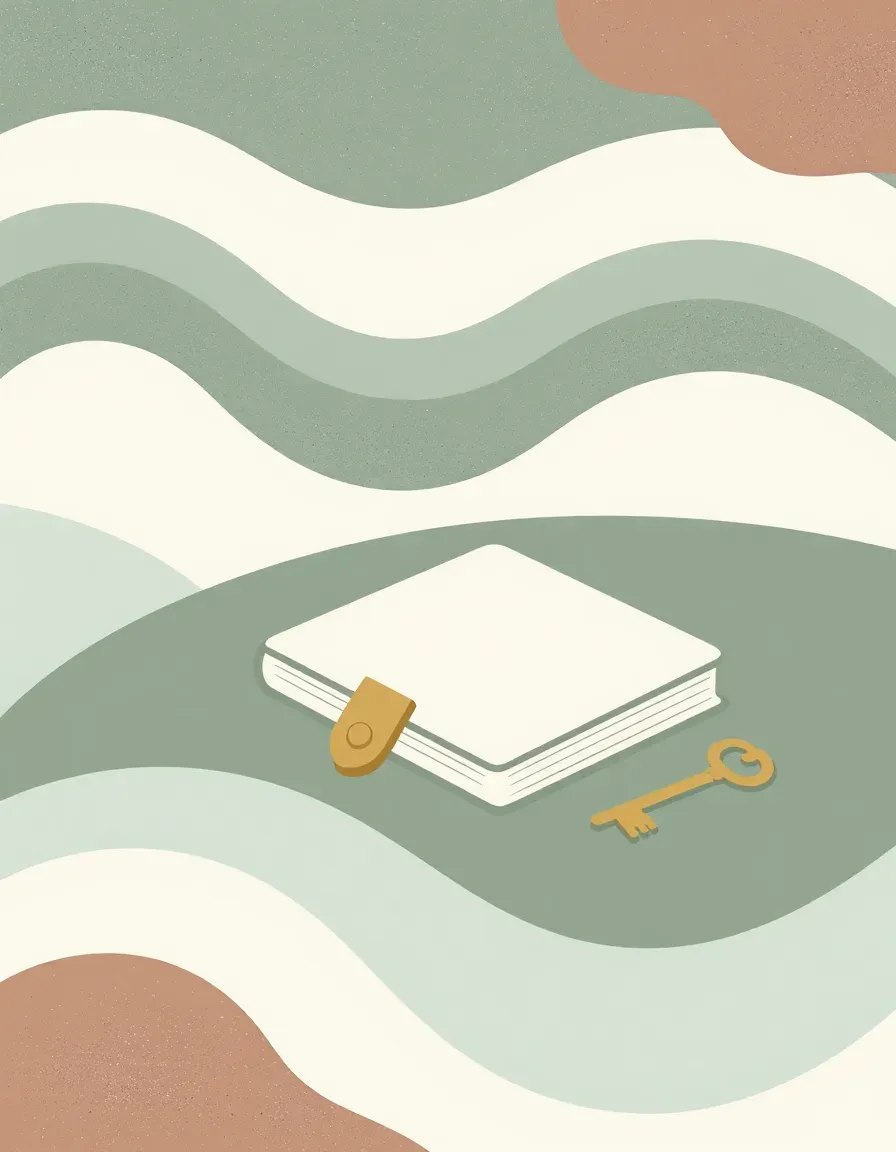
A closed notebook held shut by a brass clasp, with its key lying beside it

Privacy

Your words are not training anyone

Nobody reads what you write. Naipa has no social features of any kind — no feed, no followers, nothing to share — so there is no one who could see a line of it.

Once a week an AI sorts that week's answers into themes and writes your note. That is the only place they travel, and we do not use them to train any model, ours or anyone else's: we choose providers whose API terms do not train on what is sent to them.

And you can take it all back. Deleting your account from inside the app erases your answers, your weeks and the account itself — not anonymised, not archived. Deleted.

Sixty seconds a day

Naipa is on its way to Google Play and the App Store. The daily turn is free and stays free; the weekly reading is free for your first two and a subscription after that. In the meantime, the blog is where we write about journaling, association and building this thing.

Get it on Google Play

Coming soon to Google Play and the App Store.

Read the blog